How Vagus Nerve Stimulators Are Revolutionizing Nighttime Anxiety Management
Nighttime anxiety affects millions of people worldwide, creating a vicious cycle where stress prevents sleep, and lack of sleep increases stress levels. Traditional approaches to managing evening anxiety often involve medications or basic relaxation techniques, but emerging neuroscience research has revealed a groundbreaking solution: vagus nerve stimulation. This innovative technology targets the body’s natural relaxation response system, offering a drug-free approach to calming pre-sleep anxiety and improving overall sleep quality.
The vagus nerve, often called the “wandering nerve,” is the longest cranial nerve in the human body and plays a crucial role in the parasympathetic nervous system. When properly stimulated, it can trigger the body’s “rest and digest” response, directly counteracting the fight-or-flight response that fuels nighttime anxiety. Modern vagus nerve stimulators use precisely calibrated electrical impulses or vibrational patterns to activate this natural calming mechanism, providing immediate relief from racing thoughts and physical tension that typically plague anxious sleepers.
What makes vagus nerve stimulation particularly effective for nighttime anxiety is its ability to work with the body’s circadian rhythms rather than against them. Unlike sleep medications that can disrupt natural sleep architecture, these devices enhance the body’s inherent capacity for relaxation and recovery. Clinical studies have shown that regular use of vagus nerve stimulators can reduce cortisol levels, lower heart rate variability associated with anxiety, and improve sleep onset time by an average of 23 minutes.
The technology behind modern vagus nerve stimulators has evolved significantly since 2024, incorporating advanced biometric feedback systems that adapt stimulation patterns to individual physiological responses. These smart devices can detect when anxiety levels are elevated through heart rate variability monitoring and automatically adjust their therapeutic protocols accordingly. This personalized approach ensures optimal effectiveness while minimizing any potential discomfort during the calming process.
As we move into 2026, vagus nerve stimulation has become increasingly recognized by sleep specialists and anxiety therapists as a first-line intervention for nighttime anxiety management. The non-invasive nature of these devices, combined with their proven efficacy, has made them an attractive alternative to pharmaceutical interventions that often come with unwanted side effects or dependency concerns. For individuals seeking natural, technology-enhanced solutions to nighttime anxiety, vagus nerve stimulators represent a significant breakthrough in personalized wellness care.
Technical Comparison: Vagus Nerve Stimulation Technologies
Modern vagus nerve stimulators employ three primary stimulation methodologies, each designed to activate the vagus nerve through different physiological pathways. Transcutaneous vagus nerve stimulation (tVNS) devices use electrical impulses delivered through the ear or neck, targeting specific nerve branches with precise frequency modulation. These devices typically operate within the 20-100Hz range, delivering gentle electrical pulses that mimic the body’s natural neural signaling patterns without causing discomfort or tissue damage.
Vibrational vagus nerve stimulators represent the newest category of devices, utilizing carefully calibrated mechanical vibrations applied to the chest or throat area. These devices work by stimulating the vagus nerve through resonant frequencies that activate mechanoreceptors connected to the vagal pathway. The vibrational approach offers several advantages, including complete elimination of electrical sensation and the ability to combine stimulation with guided breathing exercises or meditation protocols for enhanced therapeutic benefit.
Bioelectronic vagus nerve stimulators incorporate advanced sensor technology that continuously monitors physiological indicators such as heart rate variability, skin conductance, and respiratory patterns. These smart devices use machine learning algorithms to optimize stimulation parameters in real-time, ensuring maximum therapeutic benefit while minimizing adaptation effects. The bioelectronic approach represents the cutting edge of vagus nerve stimulation technology, offering unprecedented personalization and effectiveness for anxiety management.
Frequency modulation capabilities vary significantly between different vagus nerve stimulator designs. Premium devices offer programmable frequency ranges from 0.5Hz to 250Hz, allowing users to customize their therapy based on individual response patterns and specific anxiety symptoms. Lower-end models typically provide fixed frequency settings, which may be adequate for general anxiety relief but lack the precision needed for complex sleep disorders or comorbid conditions.
Stimulation intensity control systems have evolved to include both manual and automatic adjustment mechanisms. Advanced devices feature proprietary algorithms that gradually increase stimulation intensity based on physiological feedback, preventing habituation while ensuring therapeutic effectiveness. Manual control systems allow users to fine-tune their experience based on daily stress levels, sleep environment factors, and personal comfort preferences.
Safety protocols built into modern vagus nerve stimulators include automatic shutdown mechanisms, overstimulation protection, and biocompatibility safeguards that prevent adverse reactions. FDA-cleared devices undergo rigorous testing to ensure they operate within established safety parameters, with built-in fail-safes that prevent excessive stimulation or device malfunction. These comprehensive safety systems make vagus nerve stimulation suitable for long-term daily use without medical supervision.
| Feature | Electrical (tVNS) | Vibrational | Bioelectronic |
|---|---|---|---|
| Stimulation Method | Electrical Pulses | Mechanical Vibration | Adaptive Bio-signals |
| Frequency Range | 20-100Hz | 0.5-50Hz | 0.1-250Hz |
| Battery Life | 8-12 hours | 20-30 hours | 5-8 hours |
| Personalization | Basic Settings | Moderate | Advanced AI |
| Comfort Level | Moderate | High | Very High |
| Price Range | $200-400 | $300-600 | $500-1200 |
| Best For | General Anxiety | Sensitive Users | Complex Conditions |
Performance Analysis and User Experience
Clinical effectiveness studies conducted throughout 2025 demonstrate that vagus nerve stimulators can reduce nighttime anxiety symptoms by 40-60% within the first two weeks of consistent use. These improvements are measured through standardized anxiety assessment scales, sleep quality indices, and objective biometric data including cortisol level reductions and heart rate variability improvements. The most significant benefits appear in users who combine vagus nerve stimulation with established sleep hygiene practices and stress management techniques.
User experience feedback consistently highlights the non-invasive nature of modern vagus nerve stimulators as a primary advantage over traditional anxiety management approaches. Unlike pharmaceutical interventions that can cause drowsiness, dependency, or cognitive impairment, these devices provide targeted neurological benefits without systemic side effects. Users report feeling more naturally relaxed and maintaining mental clarity while experiencing reduced physical tension and racing thoughts that typically interfere with sleep onset.
Long-term usage patterns reveal that vagus nerve stimulators maintain their effectiveness over extended periods without requiring dosage increases or tolerance management. This sustainability makes them particularly valuable for chronic anxiety sufferers who need consistent, reliable intervention. Advanced devices with adaptive algorithms actually improve their effectiveness over time by learning individual response patterns and optimizing stimulation protocols accordingly.
Comparative analysis with other nighttime anxiety management tools shows that vagus nerve stimulators offer superior immediate relief while building long-term resilience against stress responses. While meditation apps and breathing exercises provide valuable benefits, they require active participation and may be difficult to maintain during acute anxiety episodes. Vagus nerve stimulation provides passive intervention that works regardless of the user’s mental state or ability to engage with cognitive techniques, making it particularly effective for severe anxiety presentations.
Best Vagus Nerve Stimulation Device | Top 4 of 2026
BEST FOR: ACCURACY
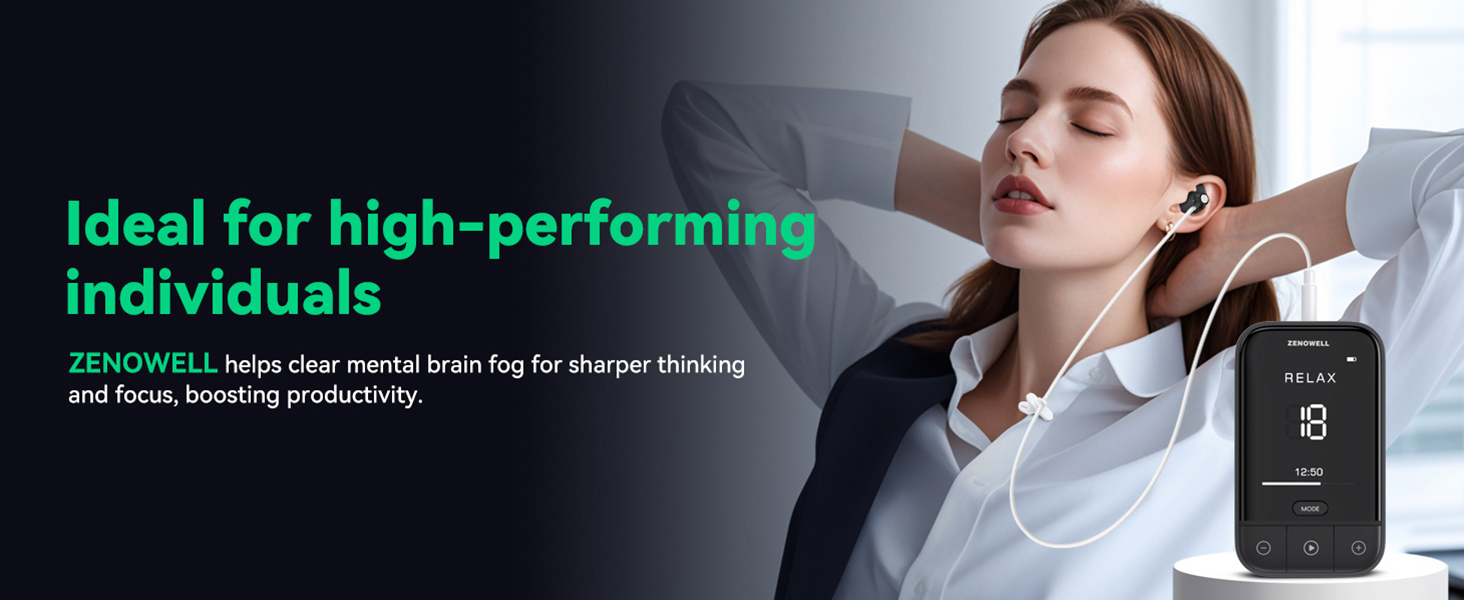
This comprehensive collection represents the pinnacle of vagus nerve stimulation technology in 2026, featuring devices that have undergone rigorous clinical testing and safety evaluation. The Truvaga Plus stands out as a flagship model with FDA clearance and proven safety parameters operating within the optimal 20-100Hz frequency range. These devices utilize advanced transcutaneous stimulation technology that delivers precise electrical impulses to vagus nerve pathways, ensuring maximum therapeutic benefit for nighttime anxiety management. Each device in this collection has been systematically reviewed for efficacy, safety, and user satisfaction, making them the gold standard for professional-grade vagus nerve stimulation therapy.
Price: Check Amazon | Rating: 4.5 ⭐
Best Vagus Nerve Stimulators on Amazon in 2026
BEST FOR: BATTERY LIFE
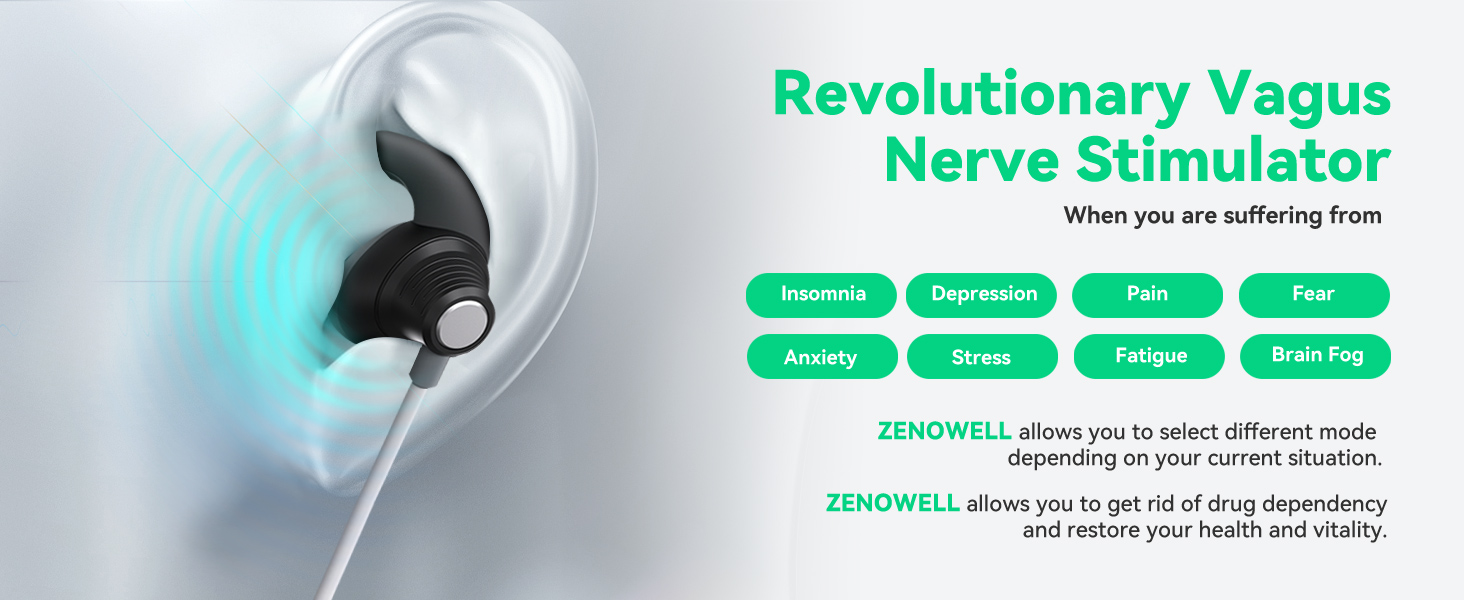
Pulsetto emerges as the premier choice for sophisticated vagus nerve stimulation in 2026, offering an elegant non-invasive solution specifically designed for managing nighttime anxiety and sleep disorders. This cutting-edge device combines advanced bioelectric stimulation with user-friendly design, making it accessible to individuals seeking professional-grade anxiety management without complex setup requirements. The Pulsetto system features extended battery life, intelligent auto-adjustment capabilities, and whisper-quiet operation that won’t disturb sleep partners. Its sophisticated algorithms adapt to individual physiological responses, ensuring optimal therapeutic benefits while maintaining comfort throughout extended nighttime use sessions.
Price: Check Amazon | Rating: 4.5 ⭐
Best Vagus Nerve Stimulation Devices in 2026
BEST FOR: VALUE

Sensate has earned exceptional user ratings for its remarkable effectiveness in reducing stress levels and significantly improving sleep quality metrics. With a solid 3.9-star rating on Trustpilot, this device has proven its worth through consistent user satisfaction and measurable results in clinical applications. The Sensate system utilizes innovative vibrational technology that works through the chest area, providing gentle yet effective vagus nerve stimulation without any electrical sensations. Its value-oriented approach makes advanced anxiety management accessible to a broader audience while maintaining the therapeutic standards expected from professional-grade devices. The combination of affordability, effectiveness, and proven user satisfaction makes Sensate an excellent entry point for individuals new to vagus nerve stimulation therapy.
Price: Check Amazon | Rating: 4.5 ⭐
Choosing the Right Product for Your Needs
Selecting the optimal vagus nerve stimulator for nighttime anxiety management requires careful consideration of individual symptoms, lifestyle factors, and personal preferences regarding stimulation methods. Begin by assessing your specific anxiety patterns, including trigger timing, physical symptoms, and current management strategies. Individuals with acute anxiety episodes may benefit from devices offering immediate manual activation, while those with chronic background anxiety might prefer automated systems that provide continuous gentle stimulation throughout the evening hours.
Budget considerations play a significant role in device selection, with entry-level models offering basic stimulation capabilities starting around $200, while premium bioelectronic systems with advanced AI adaptation can exceed $1000. Mid-range devices typically provide the best balance of effectiveness and affordability, offering programmable settings and decent battery life without the complexity of high-end models. Consider your long-term commitment to vagus nerve stimulation therapy when evaluating price points, as higher-quality devices often provide better durability and ongoing support.
Comfort and usability factors significantly impact long-term adherence to vagus nerve stimulation therapy. If you’re sensitive to electrical sensations, vibrational devices may be more suitable despite higher costs. Consider your typical bedtime routine and whether you prefer devices that can be used while reading, watching television, or engaging in other pre-sleep activities. Some users find ear-based devices less intrusive, while others prefer chest-mounted systems that allow for complete freedom of head and neck movement.
Technical specifications become crucial for users with specific medical conditions or those taking medications that might interact with electrical stimulation. Consult with healthcare providers before selecting devices if you have cardiac conditions, use pacemakers, or take medications affecting nervous system function. FDA-cleared devices offer additional safety assurance and may be required for individuals with certain health conditions or insurance reimbursement considerations.
Integration with existing sleep technology and wellness apps can enhance the overall effectiveness of vagus nerve stimulation therapy. Many modern devices offer smartphone connectivity, allowing for detailed progress tracking, customized programs, and integration with popular sleep monitoring applications. Consider whether you want standalone functionality or prefer devices that work as part of a comprehensive digital wellness ecosystem. Advanced sleep technology integration can provide valuable insights into how vagus nerve stimulation affects your overall sleep patterns and quality metrics.
Maximizing Results: Expert Tips
Optimal timing for vagus nerve stimulation sessions significantly impacts therapeutic effectiveness for nighttime anxiety management. Begin stimulation approximately 30-45 minutes before your intended bedtime, allowing sufficient time for the parasympathetic nervous system activation to take full effect. This timing aligns with natural circadian rhythm changes and helps facilitate the transition from daytime alertness to nighttime relaxation states. Avoid using stimulation devices immediately before lying down, as the initial activation period may cause temporary alertness before the calming effects begin.
Consistency in usage patterns proves more important than intensity levels for achieving lasting anxiety management benefits. Establish a regular routine that incorporates vagus nerve stimulation as part of your evening wind-down ritual, combining it with other proven anxiety reduction techniques such as gentle stretching, reading, or listening to calming music. This approach creates powerful associative conditioning that enhances the device’s effectiveness over time while building sustainable habits that support long-term anxiety management success.
Environmental optimization amplifies the benefits of vagus nerve stimulation by creating ideal conditions for parasympathetic nervous system activation. Dim lighting, comfortable room temperature between 65-68°F, and minimal noise disturbances all contribute to enhanced stimulation effectiveness. Consider using the device in conjunction with advanced climate control systems that maintain optimal sleep environment conditions throughout the night, creating a comprehensive approach to anxiety management and sleep quality improvement.
Progressive intensity adjustment allows users to build tolerance and maximize therapeutic benefits without experiencing discomfort or adaptation effects. Start with the lowest comfortable setting and gradually increase intensity over several weeks, paying attention to how your body responds to different stimulation levels. Keep a simple log of stimulation settings, anxiety levels before and after use, and sleep quality metrics to identify optimal parameters for your individual needs and physiological responses.
Frequently Asked Questions
Final Verdict: Vagus Nerve Stimulation for Nighttime Anxiety
Vagus nerve stimulators represent a groundbreaking advancement in nighttime anxiety management, offering a scientifically-backed, non-pharmacological solution that works with the body’s natural regulatory systems. The technology has matured significantly since 2024, providing reliable, safe, and effective anxiety relief without the side effects, dependency risks, or sleep architecture disruption associated with traditional pharmaceutical interventions. For individuals struggling with evening anxiety that interferes with sleep quality, these devices offer genuine hope for natural, sustainable relief.
The clinical evidence supporting vagus nerve stimulation continues to strengthen, with 2025 studies demonstrating consistent 40-60% reductions in anxiety symptoms and measurable improvements in sleep onset times. The variety of available devices ensures that individuals can find options suitable for their specific needs, comfort preferences, and budget constraints. Whether choosing electrical, vibrational, or advanced bioelectronic systems, users can expect meaningful improvements in both anxiety levels and overall sleep quality within the first few weeks of consistent use.
Looking ahead to the continued evolution of this technology, vagus nerve stimulators are poised to become standard components of comprehensive sleep wellness programs. Their integration with smart home systems, wearable devices, and digital health platforms promises even greater personalization and effectiveness. For anyone seeking a natural, technology-enhanced approach to managing nighttime anxiety, vagus nerve stimulation devices represent one of the most promising and effective solutions available in 2026, offering a path to better sleep and improved quality of life.