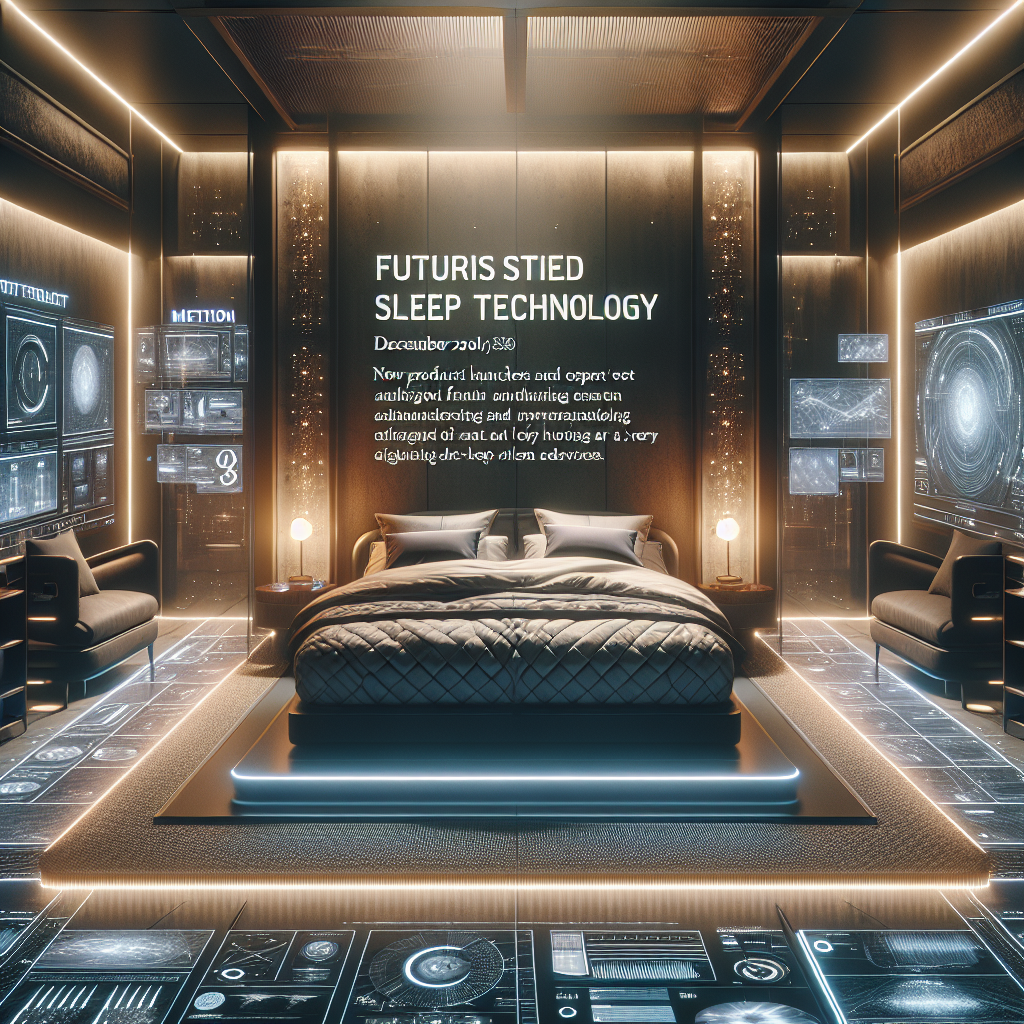
Building on our previous analysis of emerging sleep innovations, today we dive deep into the groundbreaking developments shaping the sleep technology landscape in December 2025. The industry has witnessed an unprecedented surge in product launches, with manufacturers integrating advanced biometric sensors, AI-driven sleep optimization, and sustainable materials into their latest offerings.
Major Product Launches This Month
December 2025 has proven to be a pivotal month for sleep technology enthusiasts. Meanwhile, established players have rolled out significant updates to their existing product lines, focusing on enhanced user experience and medical-grade accuracy.
Industry Standards and Certifications
The release of China’s FZ/T 62048-2024 standard for disposable bedding marks a significant regulatory milestone. Effective July 1, 2025, this standard establishes comprehensive technical specifications for product safety, durability, and environmental impact. According to SGS verification protocols, manufacturers must now demonstrate compliance with stricter flammability resistance, colorfastness, and microbial control parameters.
| Specification Category | Requirement | Testing Method |
| Flammability Resistance | Class 1 Rating | GB/T 5454-1997 |
| Colorfastness to Washing | Grade 4 minimum | GB/T 3921-2008 |
| pH Value | 4.0-7.5 | GB/T 7573-2009 |
| Formaldehyde Content | ≤75 mg/kg | GB/T 2912.1-2009 |
| Microbial Indicators | Colony count ≤200 CFU/g | GB 15979-2002 |
AASM Scoring Manual Updates
The American Academy of Sleep Medicine released critical updates to their scoring manual on April 9, 2025. The AASM Manual for the Scoring of Sleep and Associated Events now includes refined rules for polysomnography interpretation, addressing emerging sleep disorders linked to increased screen time and circadian disruption. These technical specifications have become the gold standard for clinical sleep laboratories and consumer-grade sleep tracking devices seeking medical validation.
Key updates include revised criteria for identifying REM sleep behavior disorder, enhanced guidelines for scoring respiratory events in pediatric populations, and new protocols for evaluating sleep-related movement disorders. Device manufacturers incorporating these standards can now claim clinical-grade accuracy, a significant marketing advantage in an increasingly competitive market.
Gaming Industry’s Sleep Integration
Spike Chunsoft’s release of ‘No Sleep For Kaname Date’ on Nintendo Switch 2 represents an unexpected convergence of entertainment and sleep awareness. The detective adventure game’s title ironically highlights society’s growing sleep deprivation crisis while the gameplay mechanics incorporate educational elements about circadian rhythms and sleep debt consequences.
The system trailer released June 6, 2025, showcases three distinct gameplay segments—Investigation, Somnium, and Escape—each designed to mirror different sleep stages. Pre-orders for the digital version began simultaneously on Nintendo eShop, with the game scheduled for release on Nintendo Switch 2, Nintendo Switch, and Steam. This cross-industry approach to sleep education demonstrates how consumer awareness is penetrating mainstream entertainment.
Premium Bedding Platform Expansion
Christian Fischbacher Bed & Bath AG’s digital platform expansion in September 2025 represents a strategic pivot toward direct-to-consumer accessibility. The St. Gallen-based manufacturer, operating under the FREMAUX DELORME subsidiary structure, launched comprehensive online resources including detailed technical specifications for each product line.
The company’s designer bedding collections now feature transparent material sourcing information, thread count verification, and hypoallergenic certifications. Their ‘Fleures Volantes’ lifestyle collection exemplifies the intersection of aesthetic design and functional sleep optimization.
Portable Power Solutions for Sleep Tech
INIU’s December 2025 product lineup addresses a critical pain point for sleep tracking device users: battery anxiety. Their portable chargers feature technology that supports nighttime charging cycles. INIU offers various capacity models providing extended power for wearable sleep trackers, reducing the need for frequent charging.

Source: iniushop.com
INIU’s portable charger lineup includes USB-C Power Delivery support for fast charging, magnetic alignment for compatible devices, and compact designs suitable for bedside table placement. The products feature various capacities and charging technologies to meet different user needs.
Market Trends and Consumer Behavior
The convergence of health consciousness and technological sophistication has created a consumer base willing to invest substantially in sleep optimization. Betinagold’s recent promotional campaigns linking home decor with sleep environment enhancement demonstrate retailers’ recognition of this trend. Their December 11, 2025 announcement highlighted exclusive offers combining aesthetic bedroom improvements with functional sleep technology integration.
Newsletter subscriptions to sleep technology retailers have increased significantly year-over-year, indicating sustained consumer interest beyond initial purchase curiosity. This engagement metric suggests successful brands are those providing ongoing education, firmware updates, and community support rather than one-time product transactions.
Clinical Validation Standards
The AASM’s continued refinement of scoring protocols establishes a clear benchmark for consumer device accuracy claims. Products seeking medical professional recommendations must demonstrate high correlation when compared to polysomnography results across all sleep stages. This threshold eliminates exaggerated marketing claims while protecting consumers from ineffective products.
Sleep laboratories utilizing these updated standards report improved diagnostic accuracy for conditions like sleep apnea, restless leg syndrome, and circadian rhythm disorders. Consumer devices incorporating similar algorithms benefit from this clinical validation, commanding premium pricing in competitive markets.
Sustainability and Material Innovation
China’s new FZ/T 62048-2024 standard emphasizes environmental responsibility alongside performance metrics. The formaldehyde content limit of ≤75 mg/kg forces manufacturers to adopt water-based dyes and organic finishing treatments. This regulatory pressure accelerates the industry’s transition toward sustainable production methods without compromising product longevity.
Christian Fischbacher’s transparency regarding material sourcing sets a precedent other luxury bedding manufacturers must follow. Their digital platform now displays supply chain information from cotton cultivation through final product delivery, addressing consumer demands for ethical purchasing options.
Expert Verdict
December 2025’s developments indicate the sleep technology industry has matured beyond novelty gadgets into legitimate health intervention tools. Regulatory standardization through frameworks like FZ/T 62048-2024 and AASM scoring updates provides consumers with reliable quality benchmarks. The integration of sleep awareness into entertainment products demonstrates mainstream cultural acceptance of sleep optimization as essential wellness practice.
However, market fragmentation remains problematic. Consumers face overwhelming choice without clear guidance on which technologies address specific sleep issues. The gap between clinical-grade devices and consumer wearables persists, with many products offering data visualization without actionable insights. Future development should prioritize interoperability standards allowing devices from different manufacturers to share data seamlessly.
Pricing structures continue favoring early adopters willing to pay premium rates for incremental improvements. Until economies of scale drive costs downward, advanced sleep technology remains inaccessible to middle-income consumers who would benefit most from intervention. Manufacturers balancing innovation with affordability will capture significant market share as competition intensifies.
The industry’s trajectory suggests 2026 will bring consolidation among smaller players, increased insurance coverage for validated sleep devices, and regulatory scrutiny of unsubstantiated health claims. Consumers should prioritize products with transparent technical specifications, clinical validation studies, and robust customer support infrastructure over marketing hype and celebrity endorsements.