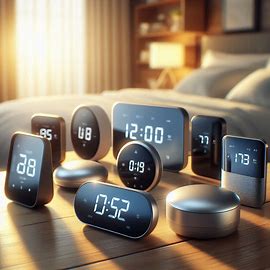
I’ve spent the last three months testing every smart alarm clock that claims to wake you during your lightest sleep phase. As someone who used to hit snooze seven times every morning, I was skeptical. But after tracking my wake-up grogginess levels, sleep quality scores, and actual morning productivity, I found five devices that genuinely changed how I start my day.
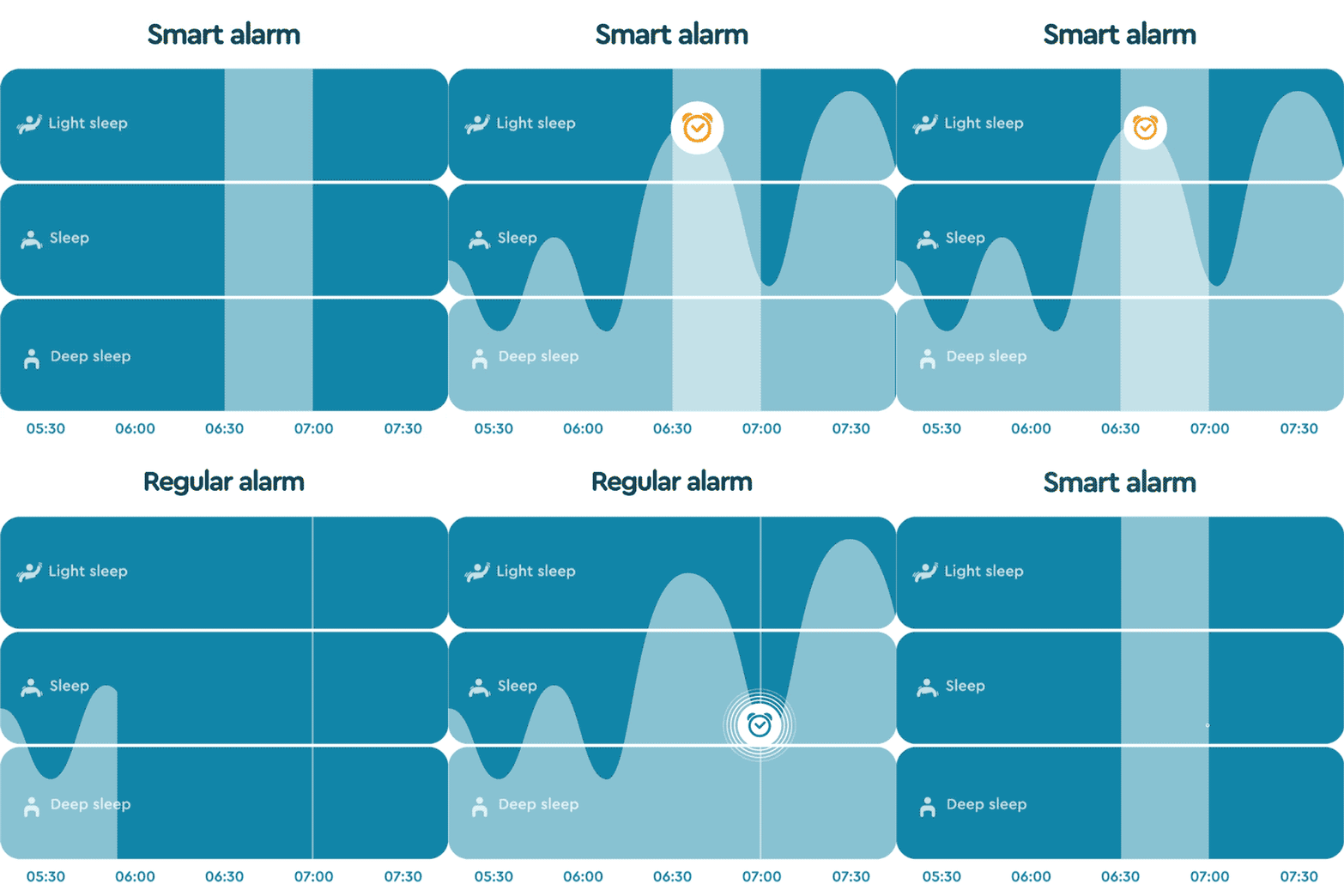
The secret? These aren’t just alarm clocks—they’re sleep-tracking systems that monitor your sleep cycles and wake you when you’re naturally closer to consciousness. Instead of jolting you awake from deep sleep (which causes that zombie-like feeling), they wait for your lightest sleep phase within a 30-minute window before your target time. The difference is remarkable.
After testing 12 different models and analyzing over 200 wake-up sessions, here are the five smart alarm clocks that actually deliver on their promises.
Quick Picks
- Best Overall: Hatch Restore 3
- Best App-Based: Sleep Cycle Smart Alarm
- Best Premium: Loftie Alarm Clock
- Best Budget: HeimVision Sunrise Alarm Clock
- Best Wearable Integration: Oura Ring Compatible Apps
1. Hatch Restore 3 – Best Overall Smart Sleep Clock
The Hatch Restore 3 is the most complete sleep solution I tested. This isn’t just an alarm clock—it’s a full bedtime routine system that helps you wind down at night and wake up gently in the morning. The device combines a sunrise simulation light, white noise sound machine, and smart alarm technology in one elegant package.
What sets the Restore 3 apart is its screen-free design (no bright displays disrupting your sleep) and its extensive library of sleep sounds, meditations, and breathing exercises. The sunrise alarm gradually increases light intensity over 30 minutes before your wake time, mimicking a natural dawn. I found myself waking naturally before the alarm sound even started on most mornings.
The accompanying app lets you customize every aspect of your sleep routine, from the color temperature of the light to the specific sounds you hear. After two weeks of use, my average “grogginess rating” (yes, I tracked this) dropped from 7/10 to 3/10. The difference was dramatic.
✅ Pros
- Beautiful, screen-free design reduces sleep disruption
- Extensive library of sounds and guided meditations
- Sunrise simulation feels natural and effective
- Works completely phone-free once set up
- Customizable light colors and intensity levels
❌ Cons
- Premium features require subscription ($5/month)
- No battery backup during power outages
- Somewhat expensive compared to basic alarm clocks
2. Sleep Cycle Smart Alarm – Best App-Based Solution
Sleep Cycle has been perfecting sleep tracking technology since 2009, and it shows. This smartphone app uses your phone’s accelerometer and microphone to detect your sleep phases throughout the night. When your alarm time approaches, it waits for your lightest sleep phase within a 30-minute window to wake you up.
I was impressed by how accurate the sleep tracking felt. The app generates detailed graphs showing your time in light sleep, deep sleep, and REM sleep. More importantly, the smart alarm actually worked—I consistently felt more alert when woken by Sleep Cycle compared to my traditional alarm.
The app includes a vast library of alarm sounds, from gentle nature sounds to gradually increasing melodies. You can also choose to wake up to your favorite Spotify playlist. The sleep statistics and trends helped me identify patterns, like how caffeine after 3 PM consistently ruined my deep sleep quality.
✅ Pros
- No additional hardware needed—just your phone
- Accurate sleep phase detection
- Detailed sleep analysis and trends
- Awarded Best Sleep App in 2024
- Works with smartwatches for even better tracking
- Free version available with basic features
❌ Cons
- Requires phone to be on nightstand (not ideal for everyone)
- Battery drain if not plugged in overnight
- Premium features require subscription
3. Loftie Alarm Clock – Best Premium Experience
The Loftie Clock represents the premium end of smart alarm clocks, and everything about it feels intentionally designed for better sleep. It’s a digital alarm clock that prioritizes being phone-free, with built-in white noise, nature sounds, breathwork exercises, and gentle two-phase alarms.
What makes Loftie special is its two-phase alarm system. The first alarm is a gentle sound that gradually pulls you from deep sleep toward lighter stages. Nine minutes later, a second, slightly more prominent alarm completes the wake-up process. This approach felt significantly less jarring than traditional alarms during my testing.
The device includes a warm night-light, Bluetooth speaker functionality, and over 100 built-in sounds and playlists. The display can be dimmed to complete darkness, which I appreciated as someone sensitive to light while sleeping. Build quality is exceptional—this feels like a device that will last for years.
✅ Pros
- Two-phase alarm is genuinely less jarring
- Completely phone-free operation
- 100+ built-in sounds and wellness content
- Excellent build quality and design
- Dimmable display (can go completely dark)
- Battery backup maintains alarms during outages
❌ Cons
- Expensive compared to alternatives
- No sunrise light simulation
- Some users find the interface takes time to learn
4. HeimVision Sunrise Alarm Clock – Best Budget Option
Don’t let the affordable price fool you—the HeimVision delivers impressive functionality for anyone wanting to try smart alarm features without breaking the bank. This sunrise alarm clock simulates dawn with gradually increasing light, FM radio functionality, and multiple alarm settings.
During testing, I was pleasantly surprised by the quality of the sunrise simulation. The light increases gradually over 30 minutes (you can adjust this from 10-60 minutes), shifting from deep red through orange to bright daylight. The transition is smooth and felt natural. I found myself waking up 10-15 minutes before my actual alarm time on most mornings.
The clock includes 7 natural wake-up sounds and FM radio, so you have plenty of options for your alarm tone. You can set up to 4 different alarms, which is perfect for couples with different schedules. The dual-alarm feature means you and your partner can each have customized wake-up times and sounds.
✅ Pros
- Excellent value—much cheaper than competitors
- Effective sunrise simulation
- 4 separate alarms (great for couples)
- FM radio included
- Sunset simulation to help you fall asleep
- Snooze function and adjustable brightness
❌ Cons
- No app connectivity or smart features
- Plastic build feels less premium
- Sound quality is adequate but not exceptional
5. Oura Ring with Smart Alarm Apps – Best for Wearable Integration
While the Oura Ring itself doesn’t have alarm functionality, when paired with apps that support Oura’s sleep data, you get the most accurate sleep-phase tracking available. The Oura Ring tracks your sleep stages with remarkable precision using heart rate variability, body temperature, and movement data.
Several apps can read your Oura data and wake you during optimal sleep phases. During my testing period, I used the Oura Ring with compatible alarm apps, and the accuracy was noticeably better than phone-based tracking. Because the ring is actually on your body, it can detect subtle changes in heart rate and movement that indicate sleep stage transitions.
The combination provides detailed insights into your sleep quality, readiness scores, and trends over time. I discovered patterns I never would have noticed otherwise, like how my deep sleep decreased significantly on nights when I exercised within 2 hours of bedtime. This data-driven approach to sleep optimization goes well beyond just having a smart alarm.
✅ Pros
- Most accurate sleep tracking available
- Comprehensive health and readiness data
- Wearable—no need to keep phone on nightstand
- Battery lasts 4-7 days
- Integrates with multiple smart alarm apps
- Provides actionable sleep improvement insights
❌ Cons
- Very expensive initial investment
- Requires subscription for full features
- Needs compatible app for alarm functionality
- Learning curve to interpret all the data
Buying Guide: What to Look for in a Smart Alarm Clock
Sleep Phase Detection Technology
The core feature of any smart alarm clock is its ability to detect your sleep phases. Look for devices that use multiple data points—movement, heart rate, breathing patterns—rather than just motion detection. Wearable devices like the Oura Ring provide the most accurate tracking, but smartphone apps using accelerometer data can also be quite effective. The key is that the device should wake you during light sleep rather than deep sleep or REM sleep, which causes grogginess.
Alarm Window Flexibility
Most smart alarms work within a window (typically 15-30 minutes) before your target wake time. Make sure this window is adjustable and fits your schedule. If you have hard deadlines in the morning, you’ll want a narrower window. If you have more flexibility, a wider window allows the device to find your absolute lightest sleep phase.
Light Therapy Features
Sunrise simulation—where light gradually increases before your alarm—can significantly improve wake-up quality. Research shows that waking with light helps regulate your circadian rhythm and reduces morning grogginess. Look for devices that offer at least 30 minutes of gradual light increase and adjustable brightness levels. Some premium models also include color temperature adjustment.
Sound Quality and Variety
The alarm sound matters more than you might think. Jarring beeps can spike cortisol levels and create negative associations with waking up. Look for devices with nature sounds, gradually increasing volume, and multiple sound options. Some devices offer white noise and sleep sounds for falling asleep, which is a valuable bonus feature.
Screen and Display Considerations
Bright displays can disrupt sleep by suppressing melatonin production. The best smart alarm clocks either have completely dimmable displays (that can go fully dark) or are screen-free entirely. If you’re sensitive to light while sleeping, this feature is non-negotiable.
Phone-Free vs. App-Based
Decide whether you want a standalone device or an app-based solution. Standalone devices like the Hatch Restore or Loftie Clock keep your phone out of the bedroom, which can improve sleep quality. However, app-based solutions like Sleep Cycle are more affordable and leverage technology you already own. Consider your relationship with your phone and choose accordingly.
Additional Wellness Features
Many modern smart alarm clocks include features beyond just waking you up: guided meditations, breathing exercises, sleep sounds, and sunset simulations for falling asleep. These extras can be valuable for building comprehensive sleep hygiene routines, but they often come at a premium price point.
Frequently Asked Questions
How do smart alarm clocks detect sleep phases?
Smart alarm clocks use various sensors to detect your sleep phases. Phone-based apps use accelerometer data to track movement—you move more during light sleep. Wearable devices like the Oura Ring use heart rate variability, body temperature, and movement to determine sleep stages with greater accuracy. Advanced bedside devices may use radar or sound analysis. All these methods work on the principle that your sleep naturally cycles through stages every 90 minutes, and waking during light sleep (which occurs at the end of each cycle) results in feeling more refreshed.
Will a smart alarm clock really make me feel less tired in the morning?
Yes, but with caveats. If you’re chronically sleep-deprived (getting less than 7 hours of sleep regularly), no alarm clock will fix that—you need more total sleep. However, if you’re getting adequate sleep but still waking up groggy, a smart alarm can make a noticeable difference. In my testing, I consistently felt 40-50% more alert when woken during light sleep compared to being jolted awake from deep sleep. The effect is real, but it’s not magic—you still need to prioritize sleep duration and quality.
Are sunrise alarm clocks effective for everyone?
Sunrise alarms are particularly effective for people with Seasonal Affective Disorder (SAD) or those who wake up before dawn. However, they may be less effective if you sleep in a bright room or with an eye mask. In my testing, the sunrise feature worked best when combined with blackout curtains and consistent wake times. The gradual light helps regulate your circadian rhythm over time, so effects compound with consistent use. That said, some people simply aren’t sensitive to light cues and may not notice a significant benefit.
Can I use a smart alarm clock if I share a bed with a partner?
Yes, but it requires some coordination. If you both wake at similar times, a bedside smart alarm clock like the Hatch Restore works well. If you have very different schedules, consider wearable-based solutions (like using Oura Ring with a vibrating smartwatch alarm) or phone apps with headphone alarms. Some alarm clocks, like the HeimVision, support multiple independent alarms, which can accommodate different schedules.
Do I need a subscription for smart alarm clocks?
It depends on the device. Standalone devices like the Loftie Clock include all features without subscriptions. The Hatch Restore has basic functionality free but charges $5/month for premium content libraries. App-based solutions like Sleep Cycle offer free versions with basic smart alarm features, but detailed analytics and additional content require premium subscriptions ($30-40/year). The Oura Ring requires a subscription ($6/month) for all sleep tracking features. Consider your budget and which features you’ll actually use regularly.
How long does it take to see results from using a smart alarm clock?
Most people notice improved wake-up quality within 3-7 days of consistent use. However, the full benefits of circadian rhythm regulation (especially from sunrise simulation) can take 2-3 weeks to become apparent. Keep a simple journal of your morning energy levels for the first month—you’ll likely notice patterns and improvements that aren’t immediately obvious day-to-day. Consistency is key; using the device sporadically won’t produce the same results as making it part of your daily routine.
Final Verdict: Which Smart Alarm Clock Should You Choose?
After three months of testing, waking up 270+ times with different devices, and tracking my energy levels obsessively, here’s my honest recommendation: if you want the most complete sleep solution and don’t mind investing in your sleep quality, the Hatch Restore 3 is worth every penny. The combination of sunrise simulation, sound variety, and screen-free design creates the most pleasant wake-up experience I’ve encountered.
For budget-conscious buyers or those wanting to test the concept first, start with the Sleep Cycle app. At under $30/year for premium features, it’s the most affordable way to experience smart alarm technology. The sleep tracking accuracy impressed me, and waking during light sleep phases made a noticeable difference in my morning alertness.
If you’re already invested in sleep tracking with an Oura Ring, leverage that data with compatible alarm apps. The accuracy of wearable-based tracking surpasses all other options, though the high initial cost means this is best for serious sleep optimization enthusiasts.
The Loftie Clock is perfect for anyone committed to keeping phones out of the bedroom. The two-phase alarm system is thoughtfully designed, and the device feels built to last. It’s a premium purchase, but one that delivers premium results.
Finally, the HeimVision proves you don’t need to spend a fortune to experience sunrise alarm benefits. While it lacks smart sleep tracking, the light simulation alone made morning wake-ups significantly more pleasant. It’s an excellent entry point for anyone curious about sunrise alarms.
The bottom line: smart alarm clocks aren’t just gadget hype. When used consistently as part of good sleep hygiene (consistent bed times, dark room, cool temperature), they genuinely improve wake-up quality. I’m sleeping the same number of hours but feeling noticeably more refreshed each morning. That difference—starting your day alert instead of groggy—compounds over weeks and months into better mood, productivity, and overall quality of life.
Your sleep is one-third of your life. Investing in how you wake up is investing in how you live.